1. Stay back and describe the scene
Keep people and pets away and call. The team asks where the sharps are and who can reach the area.
Paulding, OH · Paulding County
How do you get rid of used needles safely in Paulding? Call (877) 812-4220 to talk through sharps collection, disposal containers and a final walk-through to check nothing was missed.
If anyone is in danger, call 911 first. For a suicide crisis, call or text 988.
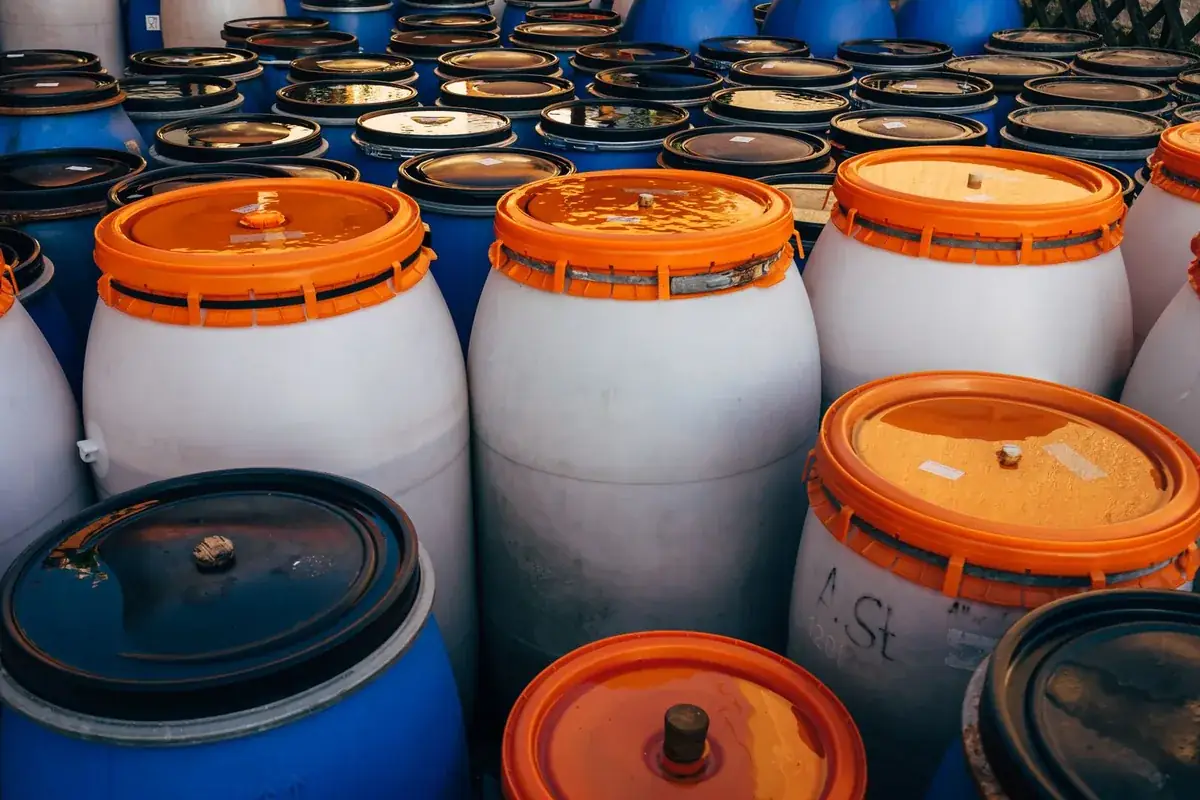
Needle and syringe pickup is a form of biohazard cleanup aimed at sharps. Protective equipment, special containers and proper disposal are part of every job.
When your rental, lot or storefront in Paulding has needles on the ground, call Paulding Biohazard Cleanup Help for a full sweep. Crews work quietly across Paulding County and can arrive in an unmarked vehicle if you prefer privacy.
Vacant buildings make up about 11% of housing in Paulding County, and empty houses and lots are common places for discarded needles to turn up. Tell the doctor where the needle was found. The nearest emergency room to Paulding is Paulding County Hospital, about 1 miles away.
What needle & sharps cleanup covers:
Keep people and pets away and call. The team asks where the sharps are and who can reach the area.
Long tools let the crew lift sharps without reaching. Nothing is picked up by hand.
Sharps are locked in secure containers marked for medical waste.
The crew removes the containers, double-checks the space and answers questions before leaving.
The cost of needle & sharps cleanup in Paulding, OH depends on the amount of material, how it is packed and how it is hauled.
Repeat sweeps cost differently from one-time jobs. A property where needles keep appearing may do better with a schedule.
| Type of job | Typical range |
|---|
These ranges come from published cost guides () and are not a quote for Paulding. Price drivers include number of items, where they are found, whether a sweep of a large area is needed, waste disposal. For a real number, call (877) 812-4220.
No. Recapping or bending a used needle is one of the most common ways people get stuck. Leave it where it is and let a cleanup team lift it with a tool and place it in a container.
Safer options exist. Many cities and health departments have programs for found needles and may give instructions or send someone. If you are unsure, do not touch it. Leaving a needle in place and keeping others away is safer than risking a stick.
Some cities and counties collect found needles from public land at no charge, and many do not. Availability varies. The local health department or public works office can say what exists where you live, and a cleanup team can help with private property.
Do not go in to look. Report it to the owner, the local health department or a cleanup team. A team can sweep the whole building in protective gear, remove the sharps and give the owner a record of the work.
A used needle can carry bloodborne pathogens such as hepatitis B, hepatitis C and HIV. The chance of infection from one stick depends on many things, and a doctor can explain what applies. Get medical care promptly after any stick or cut.
No. Crews focus on safety and cleanup, not on why the needles are there. The team asks only what it needs to plan the work, and you decide what else to share.
Describe what you saw and where, and the team will explain the next step.
Call (877) 812-4220